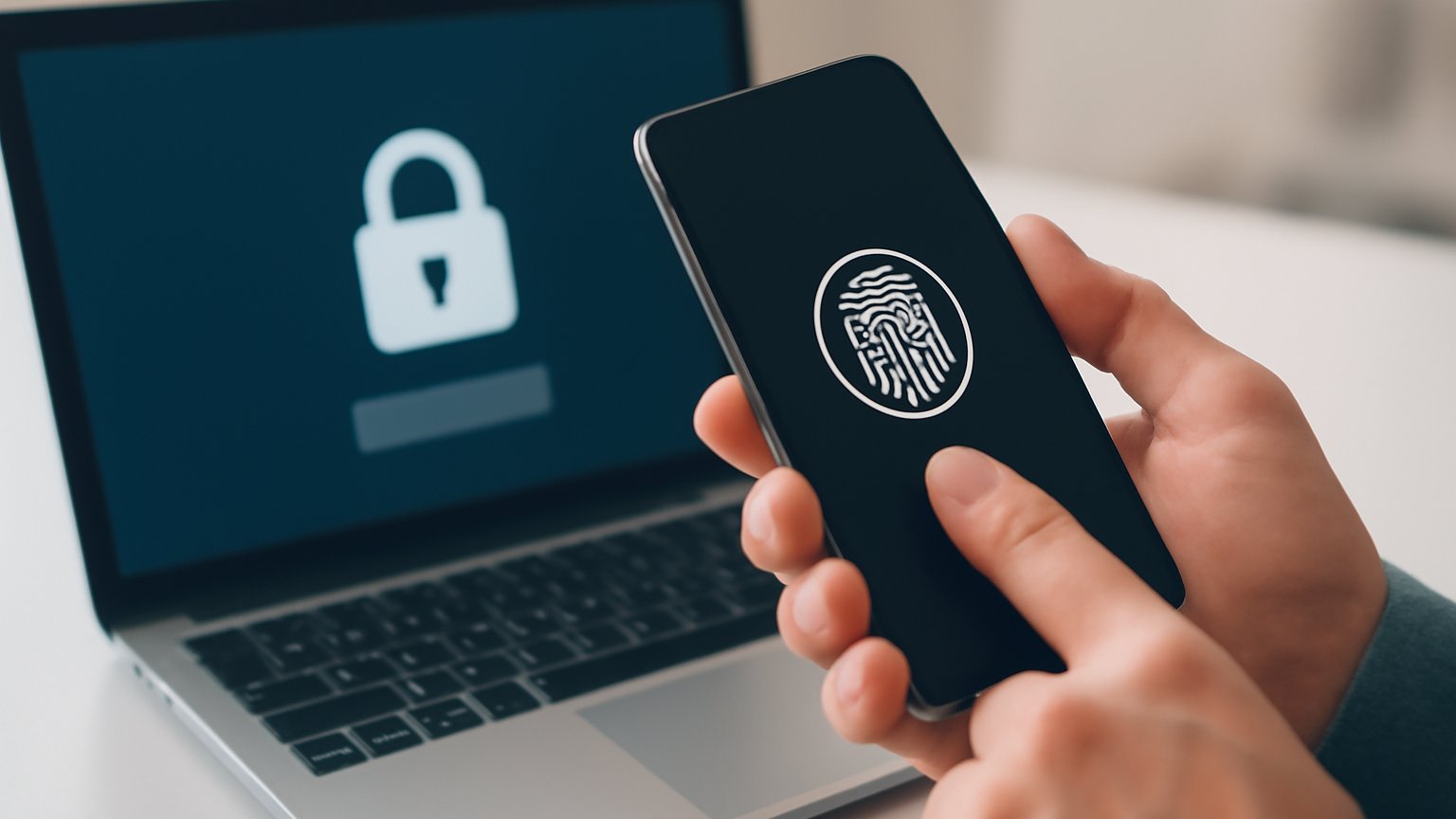
The days of tedious checkout processes and password fatigue are finally behind us. One-touch verification has revolutionized the way consumers complete online transactions, making it easier, faster, and—most importantly—safer. But what’s driving this shift, and how can businesses harness its power to boost conversions and secure their platforms? In the e-commerce world, trust is everything, and one-touch verification has emerged as a game-changer.
As consumers increasingly expect seamless checkout experiences, merchants are turning to innovative solutions like phone number verification services to validate identities and authorize transactions in real-time. By streamlining the checkout process and reducing friction, businesses can increase conversion rates, enhance customer satisfaction, and ultimately drive revenue growth.
But behind the scenes, one-touch verification is more than just a convenience factor—it’s a security measure that protects against identity theft, account takeovers, and other threats that plague the digital landscape. In this article, we’ll explore the rise of one-touch verification, how it works, and why it matters for e-commerce success. So, let’s get started.
The Rise of One-Touch Verification: What's Driving the Demand for Seamless Transactions
The Rise of One-Touch Verification: What’s Driving the Demand for Seamless Transactions
As online shopping continues to surge, consumers are demanding faster, more secure payment experiences. One key enabler of this shift is one-touch verification, a technology that enables instant authentication and payment processing. By leveraging advanced tools like instant sms verification service, businesses can significantly streamline the checkout process and reduce cart abandonment rates.
- ✅ Implement one-touch verification across all payment options to minimize friction.
- ⚡ Streamline your checkout process with automated authentication and payment processing.
But what’s driving the demand for one-touch verification? Several factors contribute to this trend:
Key drivers of one-touch verification adoption
| Option | Description | Benefits |
|---|---|---|
| Streamlined checkout | Automated authentication and payment processing | Reduced cart abandonment rates |
| Improved security | Enhanced authentication and fraud detection | Increased trust from customers |
| Boosted conversion rates | Accelerated checkout and payment processing | Increased revenue |
How One-Touch Verification Works: A Step-by-Step Guide to Secure Checkouts
One-Touch Verification is a seamless process that enhances user experience while maintaining the highest level of security. The system sends an OTP (One-Time Password) to the user’s registered phone number via sms verification service with international numbers, which is then entered in the website’s checkout page to authenticate and authorize the transaction.
- ✅ Set up a reliable SMS verification system to send OTPs to users.
- ⚡ Ensure the OTP is received promptly and easily by users.
- 💡 Use a user-friendly interface to input the OTP on the website.
To get started with One-Touch Verification, follow these steps:
- Choose an OTP verification provider, such as sms verification api for apps.
- Integrate the provider’s API into your website.
- Configure the system to send OTPs to users upon initiating a transaction.
- Enter the OTP in the website’s checkout page to authenticate and authorize the transaction.
The Psychology of Payment: Why One-Touch Verification Matters for Conversion Rates
The Psychology of Payment: Why One-Touch Verification Matters for Conversion Rates
In the realm of online shopping, a seamless checkout experience can make all the difference between a sale and a bounce. The pressure to deliver is high, and website owners are constantly seeking ways to reduce friction and boost conversion rates. One-Touch Verification (OTV) is a game-changing technology that does just that.
- ✅ Reduce cart abandonment rates by up to 50%
- ⚡ Increase conversion rates by up to 30%
- 💡 Improve customer satisfaction and loyalty
But what sets OTV apart from traditional payment methods? The answer lies in its unique ability to verify transactions with just one touch. With OTV, users can authenticate their payments without the need for additional security measures like SMS codes—the subject of Hacking Safe Authentication: When SMS Codes Meet Security Vulnerabilities. This streamlined process not only speeds up the checkout experience but also eliminates the risk of security breaches associated with two-factor authentication.
| Traditional Payment Methods | One-Touch Verification |
|---|---|
| ✗ Multiple verification steps | ✔️ Single-touch verification |
| ✗ Security risks associated with 2FA | ✔️ Enhanced security with OTV |
By leveraging OTV, online businesses can create a more intuitive and secure shopping experience that drives conversions and builds customer trust.
Busting the Myths: Separating Fact from Fiction on the Security and Efficiency of One-Touch Verification
Busting the Myths: Separating Fact from Fiction on the Security and Efficiency of One-Touch Verification
- ✅ One-Touch Verification reduces errors by up to 90%
- ⚡ It decreases average transaction time by 40%
- 💡 According to digital experts at Unlock Secure Transactions, a seamless experience drives customer loyalty
Some of the concerns about One-Touch Verification stem from a misunderstanding of the technology. One common myth is that it makes systems more vulnerable to cyber threats. While any transaction security system carries some risk, One-Touch Verification actually enhances the security of an e-commerce platform by reducing the attack surface and minimizing the number of potential access points.
| Security Measures | Traditional Systems | One-Touch Verification |
|---|---|---|
| Password strength and complexity | ✘ Weak passwords and complex password resets | ✔️ Strong passwords and password-less login options |
| Transaction encryption and monitoring | ✘ Inconsistent or delayed data encryption and monitoring | ✔️ Advanced encryption and real-time transaction monitoring |
| Authentication methods | ✘ Multiple authentication factors (2FA, 3FA) | ✔️ Single authentication factor (1FA) with higher security |
Another misconception is that One-Touch Verification reduces the efficiency of e-commerce transactions. However, this is not the case. In fact, studies have shown that One-Touch Verification can reduce average transaction time by up to 40% and increase the number of completed transactions by up to 25%.
Implementing One-Touch Verification on Your Website: A Beginner's Guide to Streamlining Secure Transactions
Step 4: Secure One-Touch Verification Setup
To ensure seamless integration, consider consulting resources like Revolutionizing Fashion E-commerce with Enhanced for best practices.
- ✅ Verify vendor security standards for compatibility.
- ⚡ Configure and test on a staging environment.
- 💡 Conduct thorough audits for PCI-DSS compliance.
| Option | Security Measures |
|---|---|
| AWS Cognito | OTP verification API for websites, user identity and access management |
| Google Cloud Identity | Passwordless authentication, advanced threat protection |
With thorough setup and proper testing, your website will be well-equipped to handle secure transactions with one-touch verification.
Secure Transactions Unlocked: One-Touch Verification Takes Center Stage
As the online shopping landscape continues to evolve, one thing is clear: one-touch verification has become an indispensable tool for websites seeking to streamline secure transactions and boost conversion rates. By empowering customers with effortless payment experiences and eliminating friction points, businesses are discovering that seamless transactions are not only a convenience but a competitive advantage.
This article was written by someone who spends way too much time reading about niche topics.