
The Evolution of Online Shopping
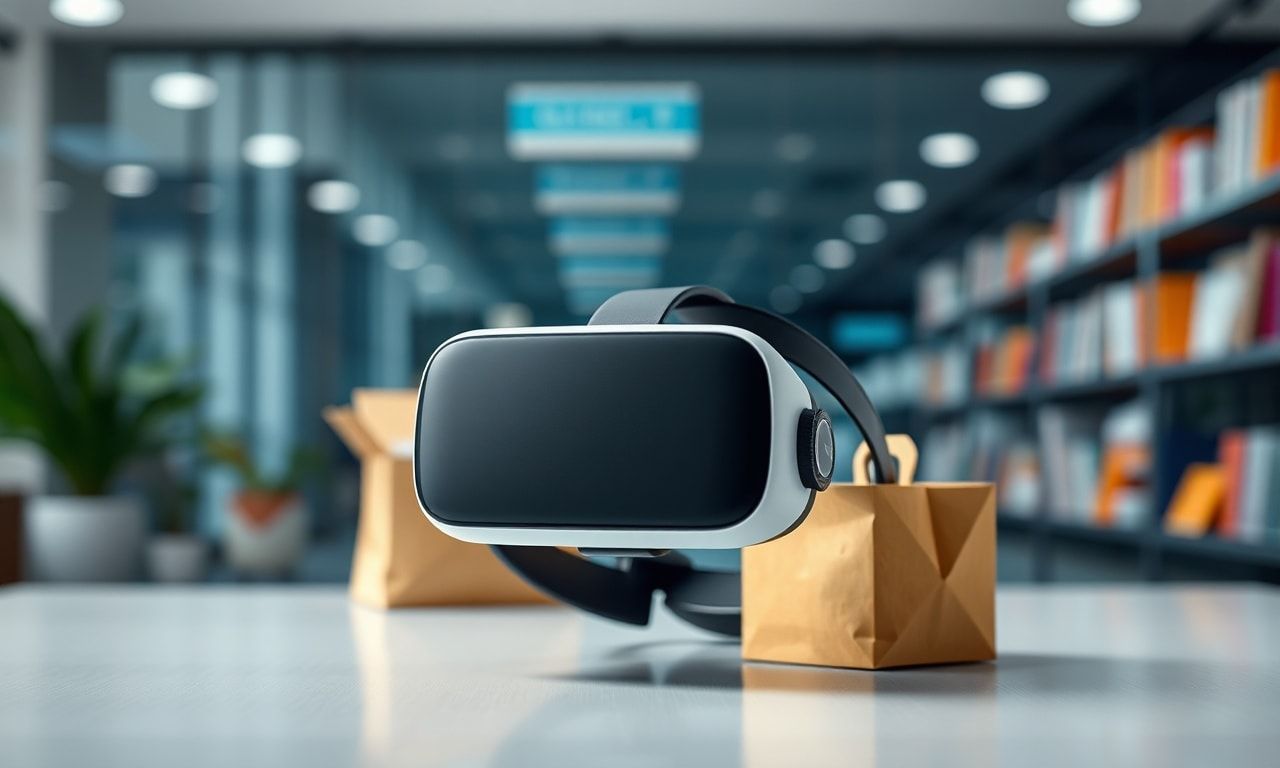
The ecommerce landscape has undergone a remarkable transformation since its inception. From simple online catalogs to sophisticated platforms offering personalized shopping experiences, the journey has been nothing short of revolutionary. Today, we stand on the brink of another significant shift, driven by advancements in technology. Virtual reality (VR) is poised to redefine how we shop online, offering immersive experiences that blur the line between digital and physical retail environments.
The Rise of Virtual Reality in Ecommerce
Virtual reality technology has made significant strides in recent years, moving beyond gaming and entertainment to become a powerful tool in the ecommerce sector. Retailers are increasingly leveraging VR to create engaging, interactive shopping experiences that captivate consumers. By donning a VR headset, shoppers can explore virtual storefronts, browse products in 3D, and even try items before making a purchase. This level of interactivity not only enhances the shopping experience but also builds a stronger connection between the consumer and the brand.
For businesses looking to stay ahead of the curve, integrating VR into their ecommerce strategy is becoming a priority. Platforms like best virtual reality movies and experiences offer a glimpse into the potential of VR technology, showcasing how immersive experiences can captivate audiences. As consumer expectations continue to evolve, ecommerce businesses must adapt to meet these demands, ensuring they provide innovative and engaging shopping experiences.
The Benefits of VR Shopping
VR shopping offers numerous advantages for both consumers and retailers. For shoppers, the ability to virtually try on clothes, test products, and explore stores from the comfort of their homes adds a new dimension to online shopping. This immersive experience can help reduce the uncertainty often associated with online purchases, leading to higher customer satisfaction and fewer returns.
For retailers, VR shopping presents an opportunity to differentiate themselves in a crowded market. By offering unique, engaging experiences, businesses can attract and retain customers, fostering brand loyalty. Additionally, VR technology can provide valuable data on consumer behavior, enabling retailers to tailor their offerings more effectively. This data-driven approach can lead to more personalized marketing strategies and improved customer engagement.
Challenges and Considerations
While the potential of VR in ecommerce is vast, there are challenges to consider. The cost of implementing VR technology can be prohibitive for some businesses, particularly small and medium-sized enterprises. Additionally, ensuring a seamless and intuitive user experience is crucial, as a poorly designed VR shopping experience can deter customers rather than attract them.
Another consideration is the need for high-quality, realistic 3D models of products. Creating these models requires significant investment in technology and expertise. However, as VR technology becomes more accessible and affordable, these challenges are likely to diminish. Businesses that invest in VR now stand to gain a competitive edge as the technology becomes more mainstream.
Case Studies: Success Stories in VR Ecommerce
Several retailers have already begun to explore the potential of VR shopping, with impressive results. For example, IKEA’s VR app allows customers to place virtual furniture in their homes, providing a realistic preview of how items will look and fit. This innovative approach has not only enhanced the shopping experience but also reduced the likelihood of returns.
Similarly, Sephora’s Virtual Artist app uses augmented reality (AR) and VR to enable customers to try on makeup virtually. This interactive experience has proven popular with consumers, demonstrating the potential of VR technology in the beauty industry. These success stories highlight the transformative power of VR in ecommerce and serve as inspiration for businesses looking to embrace this technology.
The Future of VR Shopping
The future of VR shopping is bright, with continued advancements in technology set to enhance the shopping experience further. As VR headsets become more affordable and accessible, we can expect to see a broader adoption of VR shopping across various industries. Additionally, the integration of artificial intelligence (AI) with VR technology promises to create even more personalized and immersive shopping experiences.
For ecommerce businesses, the key to success will be to stay informed about the latest developments in VR technology and to be willing to innovate. By embracing VR shopping, businesses can create memorable experiences that resonate with consumers, fostering long-term loyalty and driving growth. As the ecommerce landscape continues to evolve, those who leverage the power of VR will be well-positioned to thrive in the digital age.
