
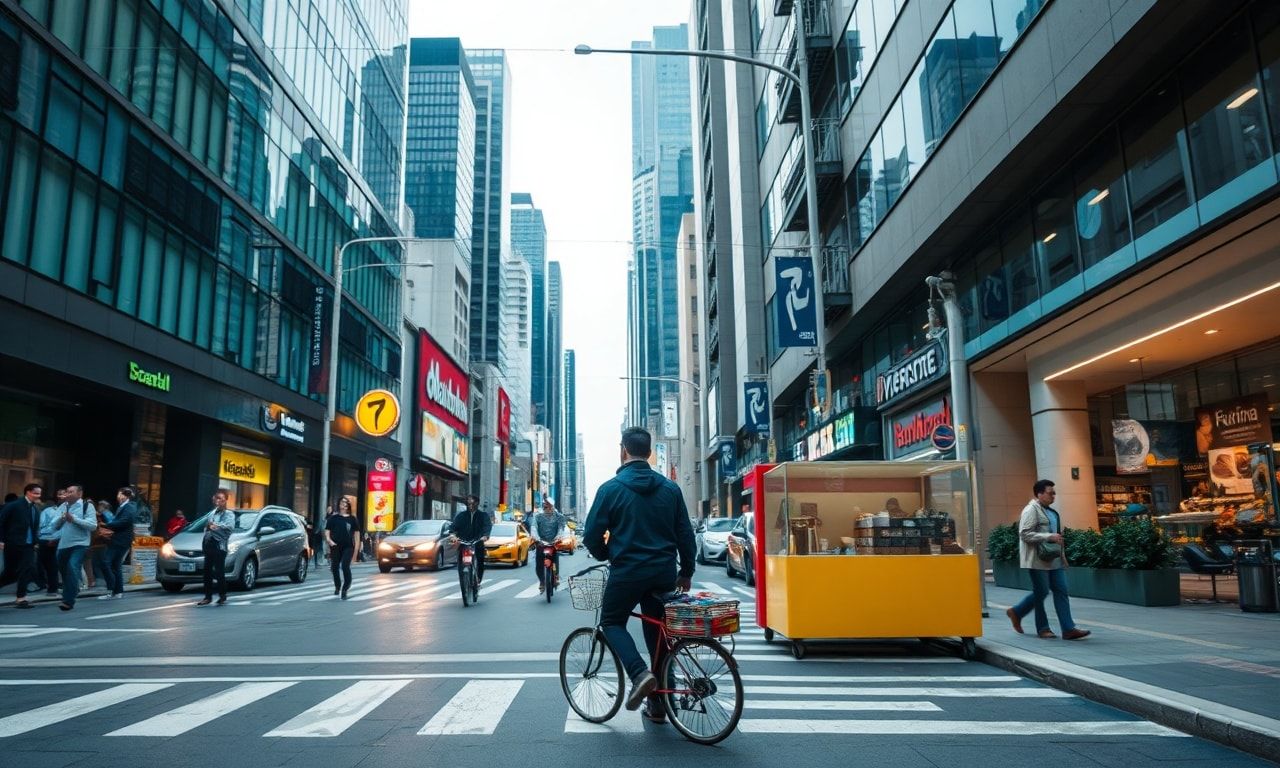
The Evolution of E-commerce in Urban Settings
The landscape of e-commerce has undergone a significant transformation, particularly in urban areas. With the rise of smart cities and the increasing demand for convenience, online shopping has become an integral part of urban life. This shift is not just about the availability of products but also about the seamless integration of technology into our daily routines. As cities become more congested, the need for efficient delivery systems and innovative retail solutions has never been more critical.
The Role of Social Media in E-commerce Growth
Social media platforms like Instagram have played a pivotal role in the growth of e-commerce. They provide a visual and interactive way for businesses to showcase their products, engage with customers, and drive sales. Instagram, in particular, has become a hub for influencers and brands to collaborate, creating a dynamic marketplace. The ability to share high-quality images, videos, and stories has made it easier for consumers to discover and purchase products. This synergy between social media and e-commerce is reshaping the retail industry, making it more accessible and personalized.
For instance, platforms like InstagramFollower.uk offer tools and services that help businesses grow their online presence. By leveraging these resources, companies can enhance their visibility, attract more followers, and ultimately boost their sales. The integration of social media analytics and marketing strategies has become essential for staying competitive in the e-commerce landscape.
Navigating Urban Challenges
Urban life comes with its own set of challenges, such as traffic congestion and limited parking. These issues can impact the efficiency of delivery services, which are crucial for e-commerce. To address these challenges, companies are exploring innovative solutions like drone deliveries, automated warehouses, and last-mile delivery services. Additionally, the Glasgow roadworks news update highlights the importance of infrastructure development in facilitating smoother logistics operations. By staying informed about local developments, businesses can better plan their delivery routes and improve customer satisfaction.
The Impact of E-commerce on Local Businesses
The rise of e-commerce has had a profound impact on local businesses. While some have struggled to compete with online giants, others have adapted by creating their own online stores and leveraging digital marketing strategies. The key to success lies in finding a balance between traditional brick-and-mortar stores and online presence. Local businesses can benefit from the reach and convenience of e-commerce while maintaining the personal touch that sets them apart.
Customer Expectations and E-commerce
Customer expectations have evolved significantly with the advent of e-commerce. Today’s consumers demand fast, reliable, and personalized shopping experiences. They expect a seamless transition from browsing to purchasing, with options for easy returns and excellent customer service. Meeting these expectations requires businesses to invest in advanced technologies, such as AI-driven chatbots, data analytics, and user-friendly websites. By focusing on customer-centric strategies, e-commerce businesses can build loyalty and drive repeat purchases.
Future Trends in E-commerce
The future of e-commerce is bright, with several emerging trends set to shape the industry. One of the most notable trends is the rise of voice commerce, where consumers use voice assistants to make purchases. This technology is expected to become more prevalent as smart speakers and virtual assistants become commonplace in households. Another trend is the increasing use of augmented reality (AR) in online shopping, allowing customers to visualize products in their own environment before making a purchase.
Additionally, sustainability is becoming a key focus for e-commerce businesses. Consumers are increasingly conscious of the environmental impact of their purchases, leading to a demand for eco-friendly products and packaging. Companies that prioritize sustainability are likely to gain a competitive edge in the market. By adopting green practices and promoting transparency, e-commerce businesses can attract environmentally conscious consumers and contribute to a more sustainable future.
Conclusion
The intersection of e-commerce and urban life is a dynamic and evolving landscape. As technology continues to advance, businesses must adapt to meet the changing needs and expectations of consumers. By leveraging social media, addressing urban challenges, and embracing future trends, e-commerce companies can thrive in an increasingly competitive market. The key to success lies in innovation, customer-centric strategies, and a commitment to sustainability. As we look ahead, the potential for growth and transformation in the e-commerce industry is immense, offering exciting opportunities for businesses and consumers alike.
To help you stay ahead in the competitive world of online retail, check out our latest guide on 2023 e-commerce success tips.
If you’re considering a home upgrade that could also boost your property’s value, explore solar power benefits for homes and how it’s transforming the real estate market.
As online shopping continues to evolve, understanding the impact of wireless charging on e-commerce can give you a competitive edge in the market.
