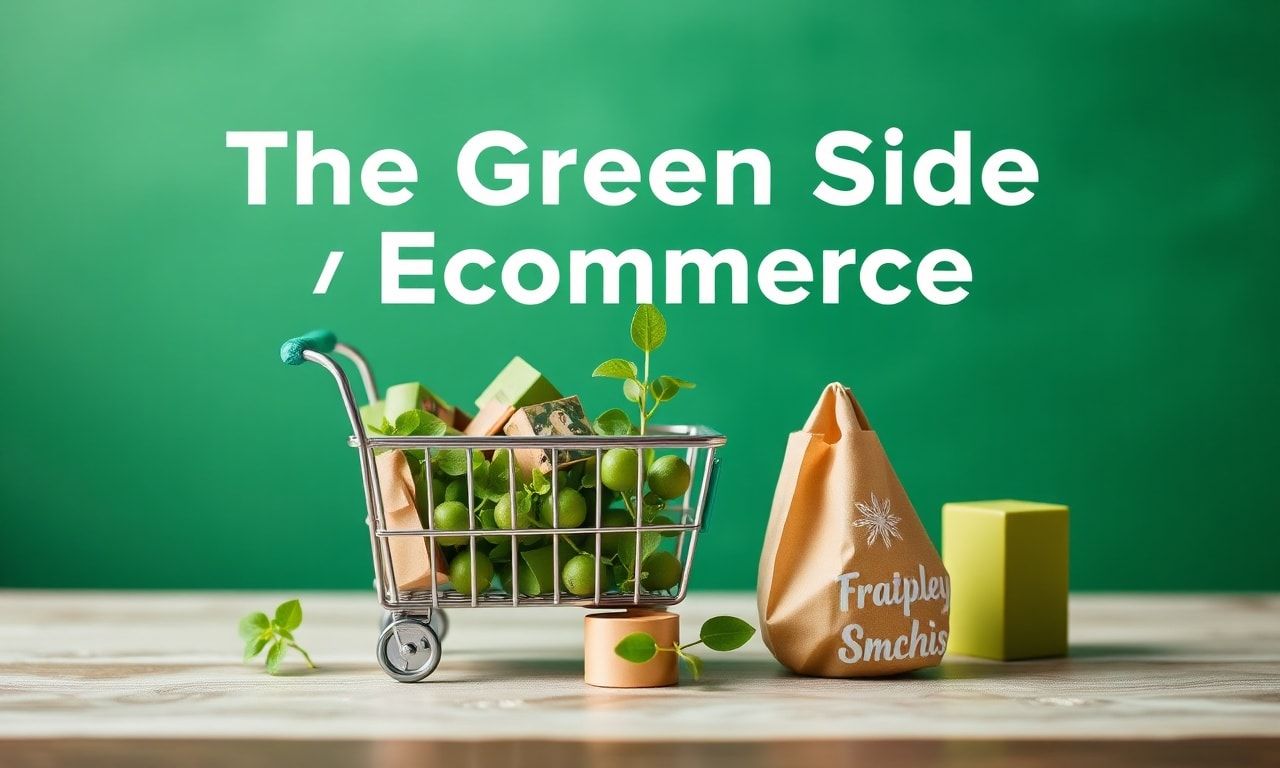
The Rise of Ecommerce and Its Environmental Impact
The ecommerce industry has experienced exponential growth over the past decade, revolutionizing the way we shop. However, this rapid expansion has also raised concerns about its environmental impact. From packaging waste to carbon emissions from deliveries, the ecological footprint of online shopping is significant. As consumers become more environmentally conscious, there is a growing demand for sustainable ecommerce practices.
Sustainable Packaging: A Step Towards Green Ecommerce
One of the most visible environmental issues in ecommerce is packaging waste. Traditional packaging materials, such as plastic and Styrofoam, contribute to landfill waste and pollution. In response, many ecommerce businesses are adopting sustainable packaging solutions. Biodegradable materials, recycled cardboard, and reusable packaging are becoming more common. Some companies even offer packaging-free options, encouraging customers to opt for minimal or no packaging.
For instance, brands like Patagonia and Allbirds have set high standards for sustainable packaging. They use recycled materials and design packaging that can be easily recycled or composted. This not only reduces waste but also appeals to eco-conscious consumers who prioritize sustainability in their purchasing decisions.
The Role of Consumer Awareness
Consumer awareness plays a crucial role in driving the shift towards sustainable ecommerce. As more people become informed about the environmental impact of their shopping habits, they are more likely to support businesses that prioritize sustainability. Websites like environmental news climate update provide valuable information on climate change and sustainable practices, empowering consumers to make informed choices.
Ecommerce platforms can further enhance consumer awareness by providing transparent information about their sustainability efforts. Detailed product descriptions, eco-labels, and certificates can help customers understand the environmental benefits of their purchases. Additionally, businesses can educate consumers through blog posts, social media campaigns, and email newsletters, highlighting the importance of sustainable shopping.
Carbon-Neutral Deliveries: Reducing the Carbon Footprint
Another significant environmental concern in ecommerce is the carbon footprint of deliveries. The transportation of goods contributes to greenhouse gas emissions, exacerbating climate change. To mitigate this impact, many ecommerce companies are adopting carbon-neutral delivery practices. This involves calculating the carbon emissions from deliveries and offsetting them through various initiatives, such as planting trees or investing in renewable energy projects.
Companies like Amazon and eBay have committed to achieving carbon-neutral deliveries by 2030. They are investing in electric delivery vehicles, optimizing delivery routes, and partnering with sustainable logistics providers. These efforts not only reduce carbon emissions but also enhance the brand’s reputation among environmentally conscious consumers.
The Benefits of Local Sourcing
Local sourcing is another effective strategy for reducing the carbon footprint of ecommerce. By sourcing products locally, businesses can minimize the distance goods need to travel, reducing transportation emissions. Additionally, local sourcing supports local economies and fosters community relationships.
Ecommerce platforms can promote local sourcing by featuring local products and artisans. They can also collaborate with local suppliers to offer exclusive deals and promotions. This not only enhances the sustainability of the supply chain but also provides customers with unique and high-quality products.
Ecommerce and the Circular Economy
The circular economy is an economic system aimed at eliminating waste and promoting the continual use of resources. In the context of ecommerce, this involves designing products for longevity, reusability, and recyclability. By adopting circular economy principles, ecommerce businesses can significantly reduce waste and conserve resources.
For example, companies like ThredUp and Rent the Runway operate on a circular economy model. They offer second-hand clothing and rental services, extending the lifecycle of products and reducing the demand for new clothing. This not only reduces waste but also provides customers with affordable and sustainable fashion options.
Consumer Incentives for Sustainable Shopping
To encourage sustainable shopping, ecommerce businesses can offer incentives to customers who choose eco-friendly options. This can include discounts for using reusable packaging, loyalty points for purchasing sustainable products, or free shipping for orders that include eco-friendly items.
By providing these incentives, businesses can make sustainable shopping more appealing and accessible to a broader audience. This not only benefits the environment but also enhances customer loyalty and satisfaction.
Conclusion: The Future of Sustainable Ecommerce
The future of ecommerce lies in sustainability. As consumer awareness continues to grow, businesses must adapt to meet the demand for eco-friendly practices. By adopting sustainable packaging, carbon-neutral deliveries, local sourcing, and circular economy principles, ecommerce companies can reduce their environmental impact and appeal to a broader audience.
Ultimately, the shift towards sustainable ecommerce requires collaboration between businesses, consumers, and policymakers. By working together, we can create a more sustainable and resilient ecommerce industry that benefits both the planet and the economy.