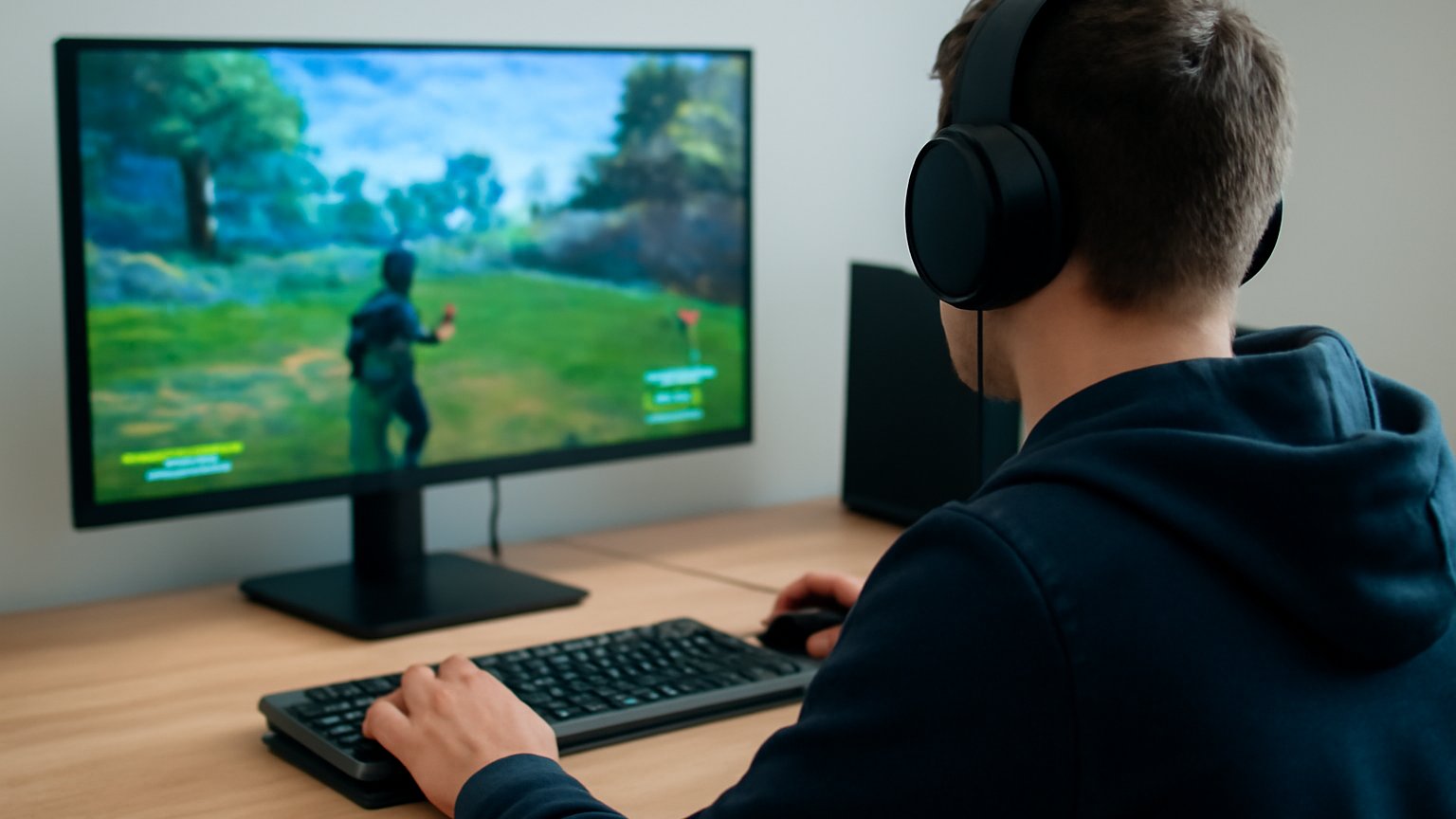
The gaming world is abuzz with the latest updates to some of the most popular titles in the industry. Gamers are eagerly anticipating the changes that will impact their play style, and for good reason. With each new update, players must adapt to shifts in combat mechanics, graphics, and progression systems that can either elevate their experience or leave them feeling lost. Take, for example, the recent latest movie reviews and news of Hollywood blockbusters, how they’ve redefined the cinematic experience – gaming is no different. Behind every update lies a wealth of strategy and design, a deliberate attempt to enhance or disrupt the status quo. What does this mean for your play style? Should you be excited about the possibilities or apprehensive about the changes ahead? One thing’s certain: the gaming world will never be the same again. This article will guide you through the latest updates, exploring the implications of each and what they mean for your gaming experience. Get ready to dive into the heart of the matter, as we break down the impact of new gaming updates and releases.
Diving into the New Update: What's Changed and What's Not
The latest patch rolls out a mix of familiar mechanics and fresh twists that feel both incremental and surprising. Core gameplay loops stay true to the original design—players still collect resources, upgrade gear, and tackle dynamic dungeons—but the update expands the available loot tables and tweaks the skill cooldowns to encourage more strategic play. New cosmetic items, such as limited‑edition skins and animated emotes, offer a visual payoff that many shoppers will find enticing for in‑game gifting and social showcases.
Beyond cosmetic changes, the update introduces a subtle yet impactful balance shift: certain high‑tier weapons now require a dual‑skill combination to activate, adding depth without breaking the existing progression curve. For e‑commerce enthusiasts, the new in‑store bundles mirror these upgrades, pairing hardware with exclusive digital codes—an appealing cross‑channel strategy that boosts both online sales and in‑game engagement. As the gaming community reacts, the conversation will likely focus on how these adjustments influence purchase decisions for gear, subscriptions, and seasonal passes.
Revolutionizing Combat: How Latest Features Will Shift Your Play
Game developers have long promised a more fluid, tactical experience, and the latest updates finally deliver on that promise. Players will notice that every attack now feels intentional—combo chains are tighter, and enemy AI reacts more sharply to positioning. For those who rely on quick, decisive strikes, the new hit‑scoring system offers a dramatic shift: a single well‑timed block can now stagger a swarm of foes, opening a window for a finishing move that previously required a full combo. This change nudges gamers toward a more strategic approach, rewarding careful planning over reckless button mashing.
| Feature | Impact on Combat | Best Use Case |
|---|---|---|
| Dynamic Stance System | Switches between offensive and defensive modes on the fly. | Situational crowd control. |
| Adaptive Difficulty | Adjusts enemy strength based on player performance. | Balanced solo play. |
| Real‑Time Tactical HUD | Shows cooldowns and enemy weaknesses instantly. | Co‑op strategy sessions. |
Beyond the mechanics, the updates also influence how players shop for gear. The new weapon tiers are balanced to favor skillful play; high‑end items no longer guarantee victory, making mid‑range choices more viable. Retailers can capitalize on this by promoting bundles that align with the updated combat flow, ensuring that shoppers receive gear that feels both powerful and fair. As the community adapts, the synergy between gameplay and e‑commerce will become clearer, turning every purchase into a tactical advantage.
Game-Changing Graphics: How Realistic Visuals Will Impact Your Experience
Game developers are pushing the envelope with photorealistic textures, ray‑traced reflections, and dynamic lighting that mimic the real world. The result? Players see environments that feel alive, with shadows that shift as the sun moves and surfaces that react to every spray of water. For online shoppers who compare virtual demo footage with actual product photos, this leap in fidelity means that in‑game showcases of new gaming releases now mirror the look and feel of the physical items people buy on e‑commerce platforms. When a game’s protagonist walks through a rain‑slick alley, the wet pavement glistens exactly as a high‑resolution photograph would, making the transition from screen to shelf seamless.
These visual upgrades also influence buying behavior. Shoppers scrolling through an online catalogue can now expect product images that reflect the same level of detail seen in the game’s demo footage. If a gaming console’s case has a matte finish that gleams under studio lights, the corresponding product listing will showcase that exact sheen, reducing the gap between expectation and reality. Moreover, the enhanced graphics encourage longer engagement; users spend more time exploring in‑game menus, which translates to increased exposure for affiliate links and sponsored items embedded within the game world. For those who enjoy binge‑watching, a Top 10 Must-Watch Dramas Streaming list often includes titles that boast similar visual polish, reinforcing the trend toward high‑quality, immersive content across media. Ultimately, realistic visuals are not just a technical feat—they are a strategic tool that bridges virtual experience with tangible purchasing decisions.
The Future of Progression: How New Systems Will Affect Your Player Rank
The latest progression overhaul redefines how players earn rank, shifting the focus from grind to strategy. Instead of endless missions, the new system rewards skillful play and community engagement. Players who consistently perform well in ranked matches now unlock tiered rewards faster, encouraging a more competitive mindset. At the same time, casual players benefit from a streamlined quest line that grants incremental rank boosts without sacrificing enjoyment.
These changes mean that every click and choice carries weight. When a player achieves a high score, the game calculates a performance multiplier that feeds directly into the rank engine. This ensures that skill, not time, drives advancement. For those who love to shop for gear, the updated ranking rewards unlock exclusive cosmetics that can be purchased with in‑game currency, tying progression to the e‑commerce ecosystem. A recent example of this synergy is the collaboration with popular gaming accessories brands, where high‑tier ranks grant discounts on real‑world products.
- Step 1: Complete the daily challenge to earn base points.
- Step 2: Participate in the weekly leaderboard to gain bonus rank multipliers.
- Step 3: Redeem earned points for exclusive skins linked to Süperstarlar Sevgili Gününü Nasıl Kutladı promotions.
- Step 4: Track your rank progression in the in‑game dashboard to plan future upgrades.
By intertwining gameplay with real‑world e‑commerce incentives, the developers create a loop where every achievement feels tangible. Players no longer need to chase endless hours; they can now see their rank climb alongside tangible rewards, making the new updates a win for both competitive enthusiasts and casual shoppers alike. The future of progression is clear: smart play, community ties, and a dash of commerce.”}
Navigating the New Landscape: Tips for Adapting to the Updated Gameplay
As gamers adjust to the latest game updates, many are struggling to stay competitive in their favorite titles. The new gaming updates and releases can often bring with them sweeping changes that require a total overhaul of strategy. But how do you stay ahead of the curve? To answer this question, we’ll take a closer look at the ways in which gamers can adapt to the updated gameplay. For instance, understanding and exploiting enemy weaknesses has become a crucial aspect of gameplay, as demonstrated by the documentary series Uncover Hidden Truths: 10 Documentary Gems Worth Watching This Fall, which delves into real-life strategies and tactics.
The key to adapting to the new gameplay is often a combination of practice and patience. By putting in the time to learn and understand the changes that have been made, you can position yourself for success. Whether it’s learning to navigate the new map or figuring out how to counter the updated enemy abilities, the end goal is the same: to come out on top.
Final Thoughts
As the new patch reshapes the battlefield, players who adapt quickly will find themselves on the cutting edge of strategy and style. The streamlined combat mechanics—lighter weight on gear, faster reloads, and tighter AI—reward precision over brute force. Visual fidelity upgrades bring the game world to life, turning every corner into a cinematic experience that feels as real as the physics driving each bullet. Meanwhile, the revamped progression system offers a clearer path to higher ranks, yet it also demands more thoughtful resource allocation. In practice, this means that seasoned veterans will need to recalibrate their build priorities, while newcomers will discover a smoother learning curve.
Beyond the mechanics, the updates hint at a broader shift toward more immersive, player‑centric design. The community’s feedback loop is tighter than ever, and the developers are listening. For merchants in the ecommerce space, this evolution translates into fresh marketing angles—highlight the enhanced realism, the strategic depth, and the community‑driven updates. The question now is: will your audience be ready to embrace the next level of gameplay, or will they stick with the comfort of the old grind? The choice, and the opportunity, lie in the hands of both the players and the brands that support them.
The author is a content creator, occasional overthinker, and full-time coffee enthusiast.