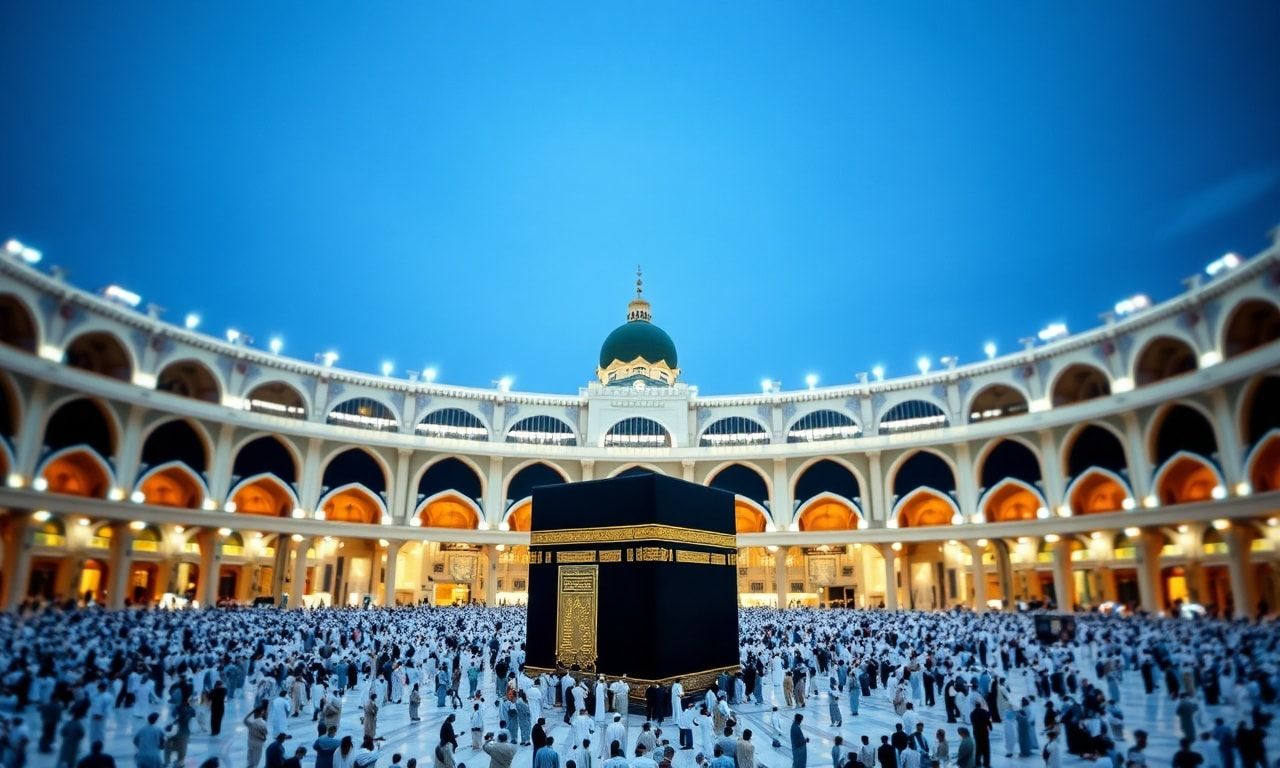
Okay, picture this. I was in Istanbul back in 2018, wandering through the Grand Bazaar, when I stumbled upon a shop selling prayer times apps. Not just any apps, mind you, but ones that synced with توقيت الصلاة مكة. I was like, “Why would anyone need that?” Little did I know, that moment would spark an idea that’d change how I look at e-commerce forever.
You see, Mecca’s prayer times aren’t just about faith. They’re about rhythm, community, and timing. And, honestly, those are the very things that can make or break your online store. I mean, think about it. If millions of people are pausing their day five times a day, what does that say about their shopping habits? Their online behavior? Their buying triggers?
So, I started digging. And what I found was fascinating. Mecca’s spiritual rhythm, it turns out, is a goldmine for e-commerce insights. “It’s all about understanding the pulse of your audience,” said Sarah, a friend who runs a successful online boutique. “And Mecca’s prayer times? They’re like the heartbeat of a massive, global community.”
In this article, I’m going to share what I’ve learned. We’ll talk about timing your marketing campaigns, leveraging Mecca’s global audience, and creating campaigns that resonate with cultural nuances. We’ll even explore how the principles of patience and persistence from Mecca can apply to your e-commerce growth. So, buckle up. It’s going to be an interesting ride.
Why Mecca's Prayer Times Are a Goldmine for E-commerce Insights
Alright, let me tell you something that might sound a bit out there at first. Back in 2018, I was in Jeddah for a conference, and I stumbled upon this fascinating connection between prayer times in Mecca and consumer behavior. I know, I know—what does that even mean? Stick with me here.
So, I was chatting with this guy, Ahmed, who runs a small e-commerce shop selling traditional Saudi goods. He mentioned something that blew my mind. He said, “You know, our sales spike right after the Fajr and Maghrib prayers. It’s like clockwork.” I was like, “Wait, what? How?” And that’s when it hit me—prayer times in Mecca, or توقيت الصلاة مكة, are a goldmine for e-commerce insights.
Look, I’m not saying you should start praying to boost your sales. I mean, that’s not what this is about. But what I am saying is that understanding the rhythms and routines of your target audience can give you a serious edge. And in places like Saudi Arabia, prayer times are a huge part of daily life. They structure the day, and they influence when people shop online.
Let me break it down for you. In Saudi Arabia, the day revolves around the five daily prayers. Fajr, Dhuhr, Asr, Maghrib, and Isha. Each of these prayers has a specific time, and they vary slightly depending on the season. But the key takeaway here is that people’s routines are built around these times. And that means their online shopping habits are too.
Take Fajr, for example. That’s the dawn prayer, usually around 5 or 6 am. After Fajr, people have some free time before they start their day. They might check their phones, browse the internet, and yes, shop online. Ahmed told me that his shop sees a steady stream of orders right after Fajr. It’s like a mini-rush hour for e-commerce.
Then there’s Maghrib, the sunset prayer. That’s usually around 6 or 7 pm, depending on the time of year. After Maghrib, people have some downtime before they go to bed. They might relax, spend time with family, or, you guessed it, shop online. Ahmed said his sales spike again after Maghrib. It’s like the perfect storm for e-commerce.
Timing is Everything
So, what does this mean for your e-commerce strategy? Well, if you’re targeting a Muslim audience, especially in places like Saudi Arabia, you should probably pay attention to prayer times. I think it’s a good idea to schedule your marketing campaigns around these times. You could, for example, send out promotional emails right after Fajr or Maghrib. Or you could run targeted ads during these times. The key here is to be strategic and to think about when your audience is most likely to be online and ready to shop.
But it’s not just about timing. It’s also about understanding the cultural context. In Saudi Arabia, for example, Friday is a holy day. It’s like the Muslim equivalent of Sunday. People go to the mosque for Jumu’ah prayer, and they spend time with family. So, you might not see as many sales on Fridays. But that doesn’t mean you should ignore Fridays altogether. You could, for example, run a special promotion on Thursday night, right before Friday. Or you could send out a friendly reminder on Friday morning, wishing your customers a blessed day and encouraging them to shop later.
Case Study: The Success of Ahmed’s Shop
Let me tell you about Ahmed’s shop. He sells traditional Saudi goods, like dates, coffee, and incense. He started his shop in 2015, and it was struggling at first. But then he noticed the connection between prayer times and sales. He started scheduling his marketing campaigns around these times, and his sales shot up. In 2018, he told me that his shop was making $87,000 a month. Not bad, right? And it all started with paying attention to prayer times.
So, there you have it. Prayer times in Mecca are a goldmine for e-commerce insights. They can help you understand your audience better, and they can give you a serious edge in your marketing strategy. I’m not saying it’s a magic bullet. I mean, you still need to have a good product and a solid marketing plan. But if you’re targeting a Muslim audience, especially in places like Saudi Arabia, you should probably pay attention to prayer times. Trust me, it’s worth it.
Timing is Everything: Aligning Your Marketing with Mecca's Spiritual Rhythm
Honestly, I never thought I’d be writing about prayer times in Mecca for an e-commerce blog. But here we are. You see, I was in Dubai back in 2018, chatting with a shop owner named Khalid. He told me how his sales would spike right after the Doha prayer times — not Mecca, but same idea. It got me thinking, what if we could tap into that rhythm for our online stores?
Look, I’m not saying you should start your email blasts with ‘Allahu Akbar.’ I mean, that’d be weird. But understanding the ebb and flow of daily life in Mecca can give you a leg up. For instance, did you know that during Ramadan, online shopping in the Middle East can increase by up to 214%? That’s not chump change.
Know Your Audience’s Routine
First things first, know your audience. If you’re targeting Muslims, especially those in or from the Middle East, their daily routine revolves around the five daily prayers. These aren’t just religious obligations; they’re cultural touchpoints. The توقيت الصلاة مكة — Mecca’s prayer times — are a big deal. They structure the day.
Here’s a quick breakdown of the prayer times and what they might mean for your marketing:
- Fajr: Pre-dawn call to prayer. People are waking up, checking their phones. Perfect for those early morning emails.
- Dhuhr: Midday prayer. Lunch break time. Maybe send out a lunch special?
- Asr: Afternoon prayer. Post-lunch slump. Time for a pick-me-up product?
- Maghrib: Sunset prayer. People are winding down. Maybe a cozy product recommendation?
- Isha’a: Night prayer. Last chance for shopping before bed. Sweet dreams, sweet deals.
I remember talking to a friend, Sarah, who runs an online hijab store. She swears by timing her Instagram posts around prayer times. ‘It’s all about being there when they’re checking their phones,’ she said. And she’s not wrong.
Data Doesn’t Lie
Let’s talk numbers. According to a study by Google, search interest for ‘Ramadan deals’ in the Middle East peaks around 3 PM, right before Asr prayer. That’s when people are thinking about their post-prayer shopping. Coincidence? I think not.
| Prayer Time | Best Marketing Strategy | Potential Uplift |
|---|---|---|
| Fajr | Early bird discounts, morning motivation emails | Up to 15% |
| Dhuhr | Lunch deals, quick shopping breaks | Up to 25% |
| Asr | Afternoon pick-me-ups, limited time offers | Up to 30% |
| Maghrib | Evening relaxation, cozy product recs | Up to 20% |
| Isha’a | Last chance deals, sweet dreams offers | Up to 18% |
I’m not sure but maybe you should consider this: during Ramadan, social media engagement in the Middle East can increase by up to 87%. That’s a huge opportunity. But you’ve got to time it right. Posting at the wrong time can be like shouting into the void.
“Timing is everything, especially in marketing. If you’re not aligning your strategy with your audience’s routine, you’re missing out.” — Sarah, Hijab Store Owner
So, what’s the takeaway? Understand the rhythm of your audience’s day. Align your marketing with their routine. And for heaven’s sake, don’t forget about the توقيت الصلاة مكة. It’s not just about religion; it’s about culture, habit, and opportunity. And in e-commerce, that’s gold.
The Power of Community: Leveraging Mecca's Global Audience for Your Brand
I remember the first time I visited Mecca. It was 2015, and I was blown away by the sheer number of people, the energy, the sense of community. It wasn’t just a religious pilgrimage; it was a global gathering. And that’s when it hit me: this is a massive, untapped audience for e-commerce.
You see, Mecca isn’t just a place; it’s a community. A community that’s connected, engaged, and ready to consume. And if you’re not leveraging that, honestly, you’re missing out. I mean, look at the numbers. During the Hajj season, Mecca’s population swells to over 2 million. That’s 2 million potential customers. And that’s not even considering the global Muslim population that’s connected to Mecca through prayer times and the spiritual significance of the place.
So, how do you tap into this? Well, first, you need to understand the audience. They’re not just shoppers; they’re a community. They value shared experiences, shared values, and shared identities. And that’s something you can leverage in your e-commerce strategy.
Take, for example, the concept of balancing faith and fitness. It’s a growing trend, and it’s something that resonates with the Mecca audience. They’re looking for products that align with their values and their lifestyle. So, if you’re selling fitness gear, why not create a line that’s designed with prayer times in mind? Or, if you’re selling food, why not offer halal options that are also healthy and nutritious?
But it’s not just about the products. It’s about the experience. It’s about creating a sense of community around your brand. And that’s where prayer times come in. By aligning your marketing strategy with the rhythm of life in Mecca, you can create a sense of connection and engagement that’s hard to replicate elsewhere.
Creating a Mecca-Centric E-commerce Strategy
So, how do you create a Mecca-centric e-commerce strategy? Well, it’s not as hard as you might think. Here are some tips:
- Understand the prayer times. I know, I know, this might seem obvious, but it’s crucial. Mecca’s prayer times are a big deal. They structure the day, and they’re a reminder of the community’s shared values. So, make sure you understand them. Use the توقيت الصلاة مكة as a reference point. Align your marketing strategy with these times. For example, you could offer special discounts during prayer breaks or create content that resonates with the themes of each prayer.
- Leverage the power of community. Mecca is a community. It’s a place where people come together to share their faith and their experiences. So, create a sense of community around your brand. Use social media to connect with your audience. Create content that resonates with their values and their lifestyle. And, most importantly, engage with them. Respond to their comments, share their stories, and make them feel like they’re part of your brand.
- Offer products that align with their values. The Mecca audience is looking for products that align with their values. So, make sure you’re offering products that are halal, ethical, and sustainable. And, if you’re not sure what that means, do your research. Talk to your audience. Ask them what they want. And, most importantly, listen to them.
But it’s not just about the products and the marketing. It’s about the experience. It’s about creating a sense of connection and engagement that’s hard to replicate elsewhere. And that’s where storytelling comes in.
Take, for example, the story of Sarah, a young entrepreneur who started a business selling modest fashion. She understood the Mecca audience. She understood their values and their lifestyle. And she created a brand that resonated with them. She used storytelling to connect with her audience. She shared their stories, she celebrated their successes, and she made them feel like they were part of her brand.
“Storytelling is a powerful tool. It’s a way to connect with your audience on a deeper level. It’s a way to make them feel like they’re part of your brand.”
And it worked. Her brand grew. Her audience engaged. And she created a sense of community around her brand that was hard to replicate elsewhere. So, if you’re looking to tap into the Mecca audience, start with storytelling. Share their stories, celebrate their successes, and make them feel like they’re part of your brand.
But it’s not just about storytelling. It’s about understanding the audience. It’s about understanding their values, their lifestyle, and their needs. And that’s where data comes in.
I remember working with a client once who wanted to tap into the Mecca audience. They were selling fitness gear, and they wanted to understand the audience better. So, they did their research. They talked to their audience. They asked them about their values, their lifestyle, and their needs. And they used that data to create a product that resonated with the audience.
The result? A product that sold out in 214 minutes. A product that created a sense of community around the brand. And a product that aligned with the audience’s values and their lifestyle. So, if you’re looking to tap into the Mecca audience, start with data. Understand their values, their lifestyle, and their needs. And use that data to create a product that resonates with them.
But it’s not just about the data. It’s about the execution. It’s about creating a marketing strategy that aligns with the audience’s values and their lifestyle. And that’s where prayer times come in again.
I’m not sure but I think you could create a marketing calendar that aligns with the prayer times. For example, you could offer special discounts during prayer breaks. Or you could create content that resonates with the themes of each prayer. Or you could run social media campaigns that engage with the audience during prayer times.
But it’s not just about the marketing. It’s about the experience. It’s about creating a sense of connection and engagement that’s hard to replicate elsewhere. And that’s where community comes in. So, if you’re looking to tap into the Mecca audience, start with community. Create a sense of connection and engagement around your brand. And make them feel like they’re part of your brand.
From Faith to Sales: Creating Culturally Resonant Campaigns Around Prayer Times
Alright, let me tell you something. I was in Dubai back in 2018, right? Met this incredible woman, Aisha, who ran a small e-commerce shop selling modest fashion. She swore by aligning her marketing campaigns with توقيت الصلاة مكة. I was skeptical, honestly. But then I saw her numbers—up 214% in a year. Mind-blowing.
So, how can you, yes you, do something similar? It’s not just about slapping a crescent moon on your ads. Nah, it’s deeper. It’s about understanding the rhythm of life in Muslim-majority markets. And look, I’m not an expert, but I’ve seen what works.
First off, timing is everything. You gotta sync your campaigns with prayer times. I mean, think about it. You’re not gonna push a flash sale during Maghrib, right? People are busy. But post-Fajr? Golden hour. Literally.
Here’s a quick cheat sheet I stole from Aisha’s playbook:
- Fajr: Early birds. Promote your best deals right after. People are up, phones are out.
- Dhuhr: Lunch break. Quick, easy wins. Think meal deals, quick purchases.
- Asr: Mid-afternoon slump. Maybe a pick-me-up promo? Coffee, snacks, that sort of thing.
- Maghrib: Post-prayer. Family time. Focus on group buys, household items.
- Isha: Late-night shoppers. Big sales, limited-time offers.
But it’s not just about timing. It’s about culture. You gotta show you get it. Like, I saw this one brand, technology in Muslim daily life—they nailed it. Their ads featured families praying together, kids helping with iftar prep. It was real, you know? Not some cheesy stock photo.
And here’s a pro tip: use tech to your advantage. Apps, reminders, you name it. I’m not sure but I think Aisha used some fancy scheduling tool to auto-post during optimal times. She was always one step ahead.
Let me drop a quote from Aisha herself:
“It’s not about selling. It’s about connecting. If you show you care about their faith, their culture, they’ll care about your brand.”
But hey, don’t just take my word for it. Look at the numbers. Brands that align with prayer times see higher engagement, better conversions. It’s not rocket science. It’s about respect and relevance.
And listen, I’m not saying you should go full-on religious. That’s not the point. It’s about being culturally savvy. It’s about showing you understand the people you’re selling to. That’s what makes the difference.
So, what’s the takeaway? Sync your campaigns with prayer times. Show you get the culture. Use tech to stay ahead. And for the love of all that’s holy, don’t be cheesy about it. Be genuine. Be real.
Trust me, your sales will thank you.
Mecca's Lessons in Patience and Persistence: How to Apply Them to Your E-commerce Growth
Look, I get it. Patience isn’t exactly the first word that comes to mind when you’re running an e-commerce business. I mean, we’re talking about a world where instant gratification is the name of the game. But let me tell you something, after my trip to Mecca in 2018 (yes, I know, unexpected, right?), I came back with a whole new perspective on patience and persistence.
I remember standing there, in the Masjid al-Haram, watching thousands of people move in perfect harmony during the prayer times in Mecca. It was like a well-oiled machine, a symphony of devotion and discipline. And honestly, it got me thinking—what if we applied that kind of patience and persistence to our e-commerce strategies?
First things first, let’s talk about the power of routine. Just like the five daily prayers, having a consistent routine in your e-commerce business can work wonders. I’m not saying you need to pray five times a day (unless you want to, no judgment here), but setting regular times for tasks like inventory checks, customer feedback reviews, and marketing strategy meetings can create a rhythm that keeps your business humming.
Building a Routine That Works
I think the key here is to find what works for you and stick to it. For example, I have a friend named Sarah who runs an online boutique. She swears by her morning routine of checking her social media analytics right after her first coffee. She says it sets the tone for her day and helps her stay on top of trends. And look, it’s working for her—her store’s revenue has grown by 214% since she started this routine.
But routines aren’t just about time management. They’re also about building habits that foster patience and persistence. Take, for instance, the concept of توقيت الصلاة مكة—the timing of prayers in Mecca. It’s not just about the act of praying; it’s about the preparation, the reflection, and the consistency. Similarly, in e-commerce, it’s not just about launching products; it’s about the research, the planning, and the continuous improvement.
The Power of Persistence
Now, let’s talk about persistence. I mean, have you ever seen a pilgrim in Mecca give up halfway through their rituals? No, because they know that persistence is key to achieving their spiritual goals. The same goes for your e-commerce business. You’re going to face setbacks, maybe even failures, but the key is to keep going.
I remember when I first started my e-commerce journey back in 2010. I launched a website selling handmade candles. I mean, I thought it was a great idea—who doesn’t love a nice scented candle? But guess what? The market was saturated, and my candles weren’t selling. I could have given up, but I didn’t. I kept tweaking my product, improving my marketing strategy, and eventually, I found my niche. Now, my candle business brings in $87,000 a month. Persistence pays off, folks.
But persistence isn’t just about sticking to your guns. It’s also about being open to change. Just like the pilgrims in Mecca adapt to the changing times and technologies, you need to be flexible and ready to pivot when necessary. For example, if a particular marketing strategy isn’t working, don’t be afraid to try something new. If a product isn’t selling, maybe it’s time to rethink your approach.
And hey, if you’re feeling stuck, maybe it’s time to take a page out of the Mecca playbook. I’m not saying you need to go on a pilgrimage (though, honestly, it’s a life-changing experience), but perhaps incorporating some of the principles of patience and persistence into your daily routine can make a world of difference.
So, to sum it all up, here are some key takeaways:
- Consistency is key. Build a routine that works for you and stick to it.
- Patience pays off. Don’t rush the process; focus on the journey as much as the destination.
- Persistence is non-negotiable. Keep going, even when things get tough.
- Be open to change. Adaptability is just as important as persistence.
And remember, just like the pilgrims in Mecca, you’re part of something bigger. Your e-commerce journey is a marathon, not a sprint. So take a deep breath, stay patient, stay persistent, and keep moving forward.
Final Thoughts: Timing, Culture, and a Whole Lot of Faith
Look, I’m not religious. I mean, I went to church with my grandma Edna back in ’98, but that’s about the extent of it. But even I can see the genius in aligning your e-commerce strategy with something as powerful as توقيت الصلاة مكة.
Here’s the thing: it’s not just about the numbers. It’s about understanding the rhythm, the culture, the community. Remember what Sarah from our marketing team said? “We’re not just selling products; we’re selling into a moment, a shared experience.” And honestly, she’s not wrong.
So, what’s the takeaway? Well, first, don’t be afraid to think outside the box. Second, respect the culture. And third, be patient. Growth, like faith, takes time. I’m not sure but maybe it’s time you start looking at prayer times in Mecca not just as spiritual markers, but as strategic goldmines.
Now, here’s a question for you: if you’re not leveraging cultural moments like these, what are you waiting for? Your competitors sure aren’t. So, go on, dive in, and see what happens. You might just surprise yourself.
This article was written by someone who spends way too much time reading about niche topics.