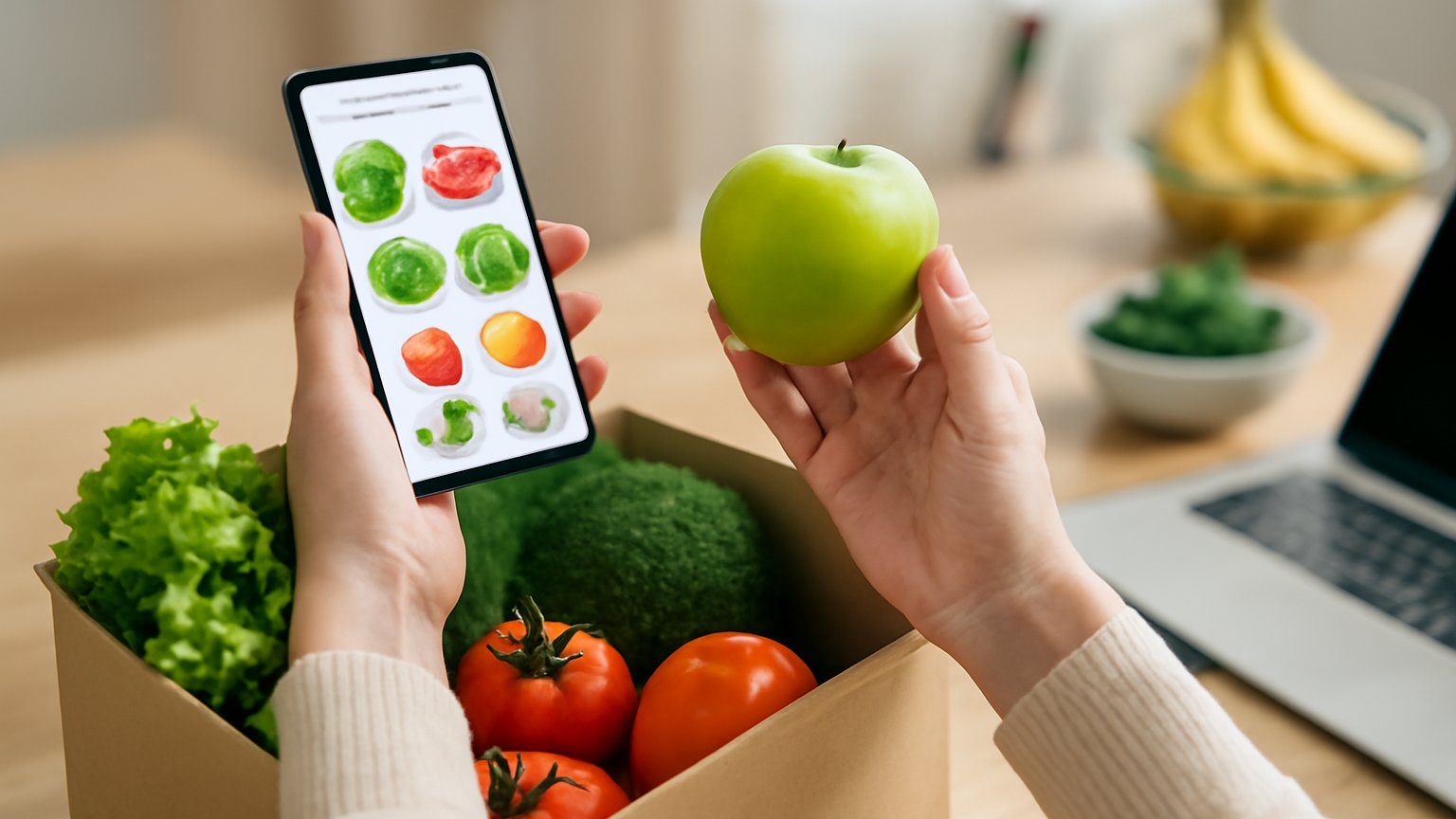
In an era where shoppers increasingly sift through digital aisles seeking purity in their plates, online retail is quietly yet decisively shifting to meet demand for natural eating. Consumers no longer accept vague labels or empty promises; they hunger for transparency, stories, and products that resonate with their values. This craving for authenticity has sparked a fresh wave of innovation, transforming how natural foods are marketed and sold on the web. Ecommerce platforms are evolving beyond mere transactions, becoming storytelling stages where brands can build trust and foster community.
Amid this transformation, traditional organic labels are being re-examined, challenged by consumers eager to decipher what “natural” truly means amid a complex food environment. Shoppers want more than buzzwords—they want clarity and confidence, aided by technological tools that make informed choices easier. For athletes and health enthusiasts alike, this shift is especially significant; resources like best nutrition tips for athletes in 2026 underscore how clean eating trends are influencing performance and wellness strategies, highlighting the broader relevance of natural food ecommerce.
As the natural eating trend continues to reshape online retail, understanding the interplay of storytelling, technology, and consumer expectations offers vital insights for brands and buyers alike. What follows unpacks these forces, revealing how ecommerce is embracing fresh opportunities while reinforcing the timeless appeal of wholesome, authentic food.
From Farm to Screen: Why Shoppers Crave Authenticity in Natural Eating
Consumers seeking natural foods increasingly want more than just ingredients—they want stories, transparency, and a connection to the source. The rise of online retail for natural eating products reflects a broader shift where shoppers crave authenticity, often equating it with trustworthiness and quality. Instead of browsing generic product pages, they look for sellers who openly share details about farming practices, ingredient origins, and ethical standards.
Transparency in ecommerce cultivates trust. When consumers can trace a product’s journey from farm to screen, it reassures them that the item aligns with their values—be it organic farming, fair trade, or minimal processing. This demand reshapes online platforms, pushing retailers to spotlight provenance and production methods. Authenticity isn’t just a buzzword here; it’s a key differentiator that influences purchase decisions across natural food categories.
Importantly, shoppers often gravitate toward brands that reflect their own commitment to health and sustainability. This alignment encourages repeat purchases and fosters brand loyalty. Retailers who neglect these authentic narratives risk appearing generic or disconnected, potentially losing market share to competitors who successfully convey a genuine farm-to-table ethos. As ecommerce continues evolving, authenticity remains a cornerstone in natural food retailing, proving consumers want more than products—they want meaningful experiences and assurance behind every purchase.
The Power of Storytelling: How Brands Use Natural Narratives to Connect Online
In the realm of natural eating, storytelling has become an indispensable tool for brands seeking to build authentic connections with online shoppers. Shoppers today crave more than just products; they want the narrative behind those products—the journey from seed to shelf, the commitment to sustainability, and the genuine passion driving the brand. This storytelling not only humanizes brands but also builds trust, which is especially critical in ecommerce where consumers can’t physically interact with items before purchasing.
Leading natural food brands are crafting rich narratives that emphasize their origins, farming practices, and dedication to clean, wholesome ingredients. These narratives often lean on relatable, transparent stories that customers find compelling. By sharing stories about sourcing from family farms or supporting local communities, brands differentiate themselves in a crowded market and foster loyalty. Additionally, these stories are amplified through engaging content formats like videos, blog posts, and social media campaigns, making the shopping experience more immersive.
| Brand Story Element | Customer Engagement Impact | Examples in Ecommerce |
|---|---|---|
| Origin Stories | Builds trust by showing transparency of sourcing | Farm-to-table brand videos, founder interviews |
| Sustainability Focus | Inspires eco-conscious buyers and retention | Packaging stories, environmental impact reports |
| Health Benefits Narratives | Enhances perceived product value and credibility | Detailed product pages, expert endorsements |
Integrating these narrative elements creates a richer shopping journey, turning browsers into enthusiastic buyers. Ecommerce sites that skillfully embed stories encourage users to spend more time exploring, which often translates to higher conversion rates. For customers who follow the latest updates on raw food diet trends, these authentic stories affirm their choices and reinforce loyalty to natural brands that share their values.
Beyond Organic Labels: Decoding What ‘Natural’ Really Means for Consumers
The term ‘natural’ has become a catch-all phrase in ecommerce, often wielded as a powerful marketing tool rather than a clear-cut descriptor. For consumers, the reality is that ‘natural’ isn’t as straightforward as organic or non-GMO labels; it lacks a universal regulatory definition in many markets, leading to varied interpretations. This ambiguity allows brands to leverage the term flexibly—sometimes to genuinely signal fewer artificial additives, and other times simply to evoke a wholesome image without stringent backing. Shoppers increasingly seek transparency beyond surface-level claims, driven by a desire to understand what’s really inside their products and how they’re sourced.
Amid this uncertainty, discerning buyers turn to ingredient lists and certifications, but these too can be confusing without context. The rise of educational content and trustworthy product reviews helps bridge this gap, empowering consumers to make informed decisions. For example, online retailers that highlight Bright Eyes: 12 Superfoods That support health naturally tap into both the product’s benefits and the authenticity shoppers crave. However, the expectation for natural means much more than just excluding synthetic chemicals—it’s about ethical sourcing, sustainable practices, and minimal processing as well.
From an ecommerce perspective, this nuanced perception of natural has reshaped how online stores present their products. Retailers must balance appealing to the natural trend with providing detailed, credible information that respects consumers’ intelligence. Doing so not only builds trust but also fosters long-term customer loyalty in a sector where transparency reigns supreme. As online shoppers become savvier, the true meaning of natural eating will continue evolving—bringing with it higher standards and richer conversations between brands and buyers.
Tech Meets Taste: Innovative Ecommerce Tools Revolutionizing Natural Food Sales
Ecommerce platforms specializing in natural foods are rapidly embracing cutting-edge technology to enhance the customer experience and streamline purchasing decisions. From AI-powered recommendation engines that suggest products based on individual dietary preferences to augmented reality features allowing shoppers to explore detailed nutritional information visually, these innovations are transforming how consumers discover and buy natural products online. Such tools not only increase engagement but also build trust by offering transparency and personalized guidance—two elements critical in the natural foods sector.
Beyond these advancements, some ecommerce sites are incorporating dynamic content linked to health benefits—for example, highlighting some surprising superfoods that can improve gut health, a topic gaining traction among natural food consumers. This integration of lifestyle education with shopping caters to a more informed and health-conscious audience, merging content and commerce in one seamless experience.
Meanwhile, the rise of subscription models powered by data analytics ensures customers receive tailored product assortments aligned with their evolving nutritional needs and preferences. Retailers who utilize these technologies position themselves at the forefront, providing convenience and expertise simultaneously. As natural eating continues to surge, ecommerce’s fusion with innovative tech tools will undoubtedly dictate success in an increasingly competitive marketplace, shifting how brands connect with discerning shoppers seeking authenticity and wellness.
Building Communities: How Online Retailers Foster Loyalty Around Clean Eating
Online retailers have discovered that fostering a sense of community around clean eating can transform casual customers into brand advocates. By creating platforms where consumers share recipes, success stories, and tips, retailers tap into the emotional and social drivers behind natural food choices. This approach goes beyond simple transactions—it’s about cultivating a lifestyle that resonates deeply with audiences. Interactive forums, live cooking demonstrations, and expert Q&A sessions serve as vibrant hubs for engagement, offering more than just products but a shared journey toward wellness.
Retailers also leverage curated content to guide customers through their clean eating adventures. For example, recommending resources like Eat Your Way to a slimmer you can seamlessly integrate educational materials into the shopping experience. This not only boosts credibility but encourages repeat visits and trust in the platform. The following checklist highlights essential strategies for ecommerce businesses aiming to nurture loyalty within this niche.
- ☐ Establish dedicated online forums or social media groups for clean eating enthusiasts
- ☐ Host regular interactive events such as webinars, cooking demos, or live chats with nutritionists
- ☐ Provide curated content and product bundles tailored to popular clean eating plans
- ☐ Encourage user-generated content with contests and featured testimonials
By embedding these practices, online retailers don’t just sell products—they build identity and belonging. The seamless blend of commerce and community taps into consumers’ desire for authenticity and support on their health journeys, fostering long-term loyalty that transcends typical buying patterns. The result? More engaged customers who return not just for products, but for the ongoing inspiration and connection that clean eating communities uniquely offer.
The Natural Shift: More Than Just a Trend
Natural eating is redefining more than just what ends up in shopping carts—it’s reshaping the entire ecommerce experience. Today’s consumers crave more than labels; they want stories, transparency, and interaction. Brands that tap into this demand for authenticity aren’t simply selling products; they’re building trust and community, leveraging technology to make natural choices accessible and engaging. The evolving definition of ‘natural’ challenges retailers to be clearer, more genuine, and innovative in how they present their offerings. As digital platforms continue to blend storytelling with seamless shopping, the line between education and purchase continues to blur, leaving shoppers not only informed but inspired. For anyone involved in ecommerce or clean eating, staying attuned to these shifts isn’t optional—it’s essential. After all, isn’t the future of food found where culture, technology, and honesty intersect? For those hungry for more, exploring the latest updates on raw food diet could open new doors on this evolving journey.
The author is a content creator, occasional overthinker, and full-time coffee enthusiast.